

Project Overview & Scope of Work
Verified DeliverablesIntroduction to the Lamsa Deco Project
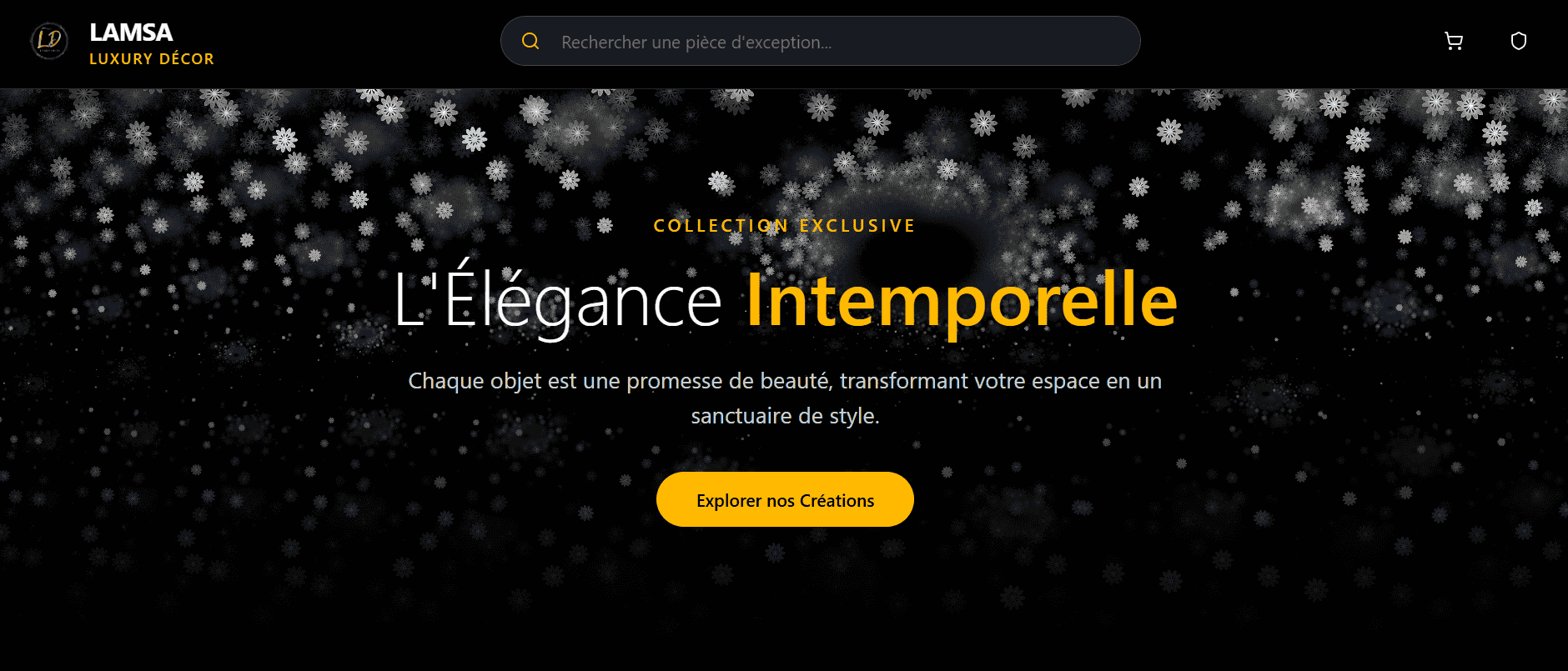
When conceptualizing the digital presence for a high-end brand, the user experience must reflect the quality of the products themselves. Lamsa Deco is a concept for a premium interior design platform that curates and showcases exclusive decoration pieces. As a core Next.js portfolio project, the goal was to build more than just a standard online store. I wanted to engineer a luxury home decor e-commerce experience that feels seamless, cinematic, and highly performant.
In today's competitive digital landscape, a React e-commerce website must load instantly, maintain flawless SEO, and provide interactive micro-interactions that engage the user without overwhelming the senses. This article explores the technical architecture, design decisions, and development process behind Lamsa Deco, serving as a prime example of modern frontend development portfolio work.
The Vision: Redefining Luxury E-Commerce
The primary challenge in building a luxury home decor e-commerce site is capturing the essence of exclusivity. Users shopping for premium pieces—such as unique sculptures, high-end lighting, or limited-edition furnishings—expect a digital storefront that acts as a high-end gallery.
To achieve this, the project required a clean, dark-mode-first aesthetic with typography and spacing that breathes. The UI needed to feel "weightless" yet robust. I focused on building an interface that guides the user through "L'Élégance Intemporelle" (Timeless Elegance), ensuring that every image, transition, and interaction reinforces the brand's premium positioning.
Tech Stack Selection and Architecture
Choosing the right technology stack is crucial for building a scalable and maintainable high-end web architecture. For Lamsa Deco, I carefully selected modern, industry-standard tools that excel in performance and developer experience.
1. Next.js (App Router) for the Core Framework
At the heart of this Next.js portfolio project is Next.js 14 utilizing the new App Router. Next.js was chosen for its unparalleled Server-Side Rendering (SSR) capabilities, which are absolutely critical for SEO in e-commerce. By rendering pages on the server, search engines can easily crawl product descriptions and categories, while users benefit from blazing-fast Initial Page Loads (LCP).
2. React 19 and Server Components
Leveraging the latest features of React 19, the application heavily uses React Server Components (RSC). This allows the platform to fetch data directly on the server without sending unnecessary JavaScript to the client, keeping the bundle size remarkably small and the performance exceptionally high. This makes the React e-commerce website feel incredibly snappy, even on mobile networks.
3. Supabase Database Integration
For backend services, authentication, and database management, I implemented Supabase database integration. Supabase provides a powerful, open-source Firebase alternative based on PostgreSQL. In Lamsa Deco, Supabase dynamically serves active categories and products, ensuring that inventory and collections are always up-to-date in real-time. The relational nature of PostgreSQL allowed for complex queries, such as fetching categories strictly linked to active products.
4. Tailwind CSS and Radix UI
Styling a premium interior design platform requires precise control over design tokens. Tailwind CSS provided the utility-first flexibility needed to implement custom color palettes (like the signature amber/gold accents) and responsive layouts. To ensure the application is accessible and robust, I utilized Radix UI primitives. These unstyled, accessible components served as the foundation for interactive elements like dropdowns, dialogs, and navigation menus.
5. Framer Motion for Cinematic Animations
In luxury web design, motion is just as important as static visuals. I integrated Framer Motion to orchestrate smooth, physics-based animations. From the staggered entrance of category cards to the subtle parallax effects on hero images, Framer Motion adds that necessary layer of polish that elevates the user experience from standard to extraordinary.
Key Features and Implementations
Dynamic Product and Category Fetching
The homepage features a dynamic category showcase powered by our Supabase database integration. Using asynchronous data fetching, the application pulls category data, joins it with active products, and deduplicates the results in a single, efficient query. While the data is loading, users are presented with elegant skeleton loaders that prevent layout shifts and maintain the visual harmony of the dark UI.
Adaptive Grid Layouts
Depending on the number of active collections, the layout intelligently adapts. If only one exclusive collection is featured, it commands a full-width "Spotlight" cinematic card. If multiple collections are active, the UI gracefully falls back to an intricately staggered grid, animated via Framer Motion. This dynamic responsiveness is a hallmark of a well-thought-out frontend development portfolio piece.
Reassurance and Trust Signals
Trust is paramount in e-commerce. The homepage includes a dedicated reassurance section highlighting "Pièces Uniques" (Unique Pieces), "Qualité Garantie" (Guaranteed Quality), and "Livraison Soignée" (Careful Delivery). Accompanied by crisp Lucide icons, this section builds user confidence immediately after the hero section.
Challenges and Solutions
Building a React e-commerce website of this caliber comes with its unique set of challenges. One major hurdle was balancing the high-resolution imagery required for luxury decor with the strict performance demands of modern web vitals.
To solve this, I leveraged Next.js's native <Image /> component, which automatically optimizes, resizes, and serves images in modern formats like WebP. I also implemented progressive loading techniques and strict sizes attributes to ensure the browser only downloads the image resolution necessary for the user's specific viewport.
Another challenge was managing the state between server and client components in the Next.js App Router. By carefully isolating client-side interactivity (like the Framer Motion animations in home-client-page.tsx) from the server-side data fetching, I maintained a strict separation of concerns that kept the architecture clean and performant.
Performance Optimization and SEO Strategy
Since this is a showcase for my frontend development portfolio, SEO and performance were not afterthoughts—they were foundational.
Semantic HTML: The platform uses strict semantic HTML5 tags to ensure search engines accurately understand the page structure.
Server-Side Rendering: As an exemplary Next.js portfolio project, the most critical content is rendered server-side, ensuring that Googlebot and other crawlers see a fully populated page instantly.
Optimized Assets: The use of Tailwind CSS ensures that only the CSS actually used in the project is bundled and shipped, while Next.js handles image optimization.
Strategic Keyword Placement: The content organically incorporates terms like luxury home decor e-commerce, premium interior design platform, and Supabase database integration without keyword stuffing, aligning perfectly with modern SEO best practices.
Conclusion and Future Roadmap
Lamsa Deco stands as a testament to what is possible when modern web technologies meet meticulous design. By combining the rendering power of Next.js, the robust data handling of Supabase, and the elegant styling capabilities of Tailwind CSS and Framer Motion, I was able to deliver a React e-commerce website that feels truly premium.
Moving forward, the roadmap for Lamsa Deco includes integrating a headless CMS for blog content, implementing a secure checkout flow using Stripe, and adding a 3D product viewer using Three.js to allow users to visualize luxury items in their own space.
This project has been an incredible journey in mastering high-end web architecture and remains a cornerstone of my frontend development portfolio. If you are looking for a developer who understands both the technical depth of React and the aesthetic demands of premium branding, Lamsa Deco is the perfect demonstration of my capabilities.
Applied Technologies & Focus Areas
Need a custom digital platform like lamsa deco?
Transform your business with Moocky's custom design, high-performance web engineering, and enterprise digital solutions.
Explore Other Client Successes
Discover more custom solutions engineered by Moocky.


ABS audit
An in-depth technical analysis of ABSAudit.tn, a premier corporate accounting platform developed by Moocky.tn. This article explores the advanced SEO strategies, multilingual capabilities, and cutting-edge web architecture utilized to dominate search rankings, enhance user experience, and drive organic business growth for financial consulting firms.

YUKET
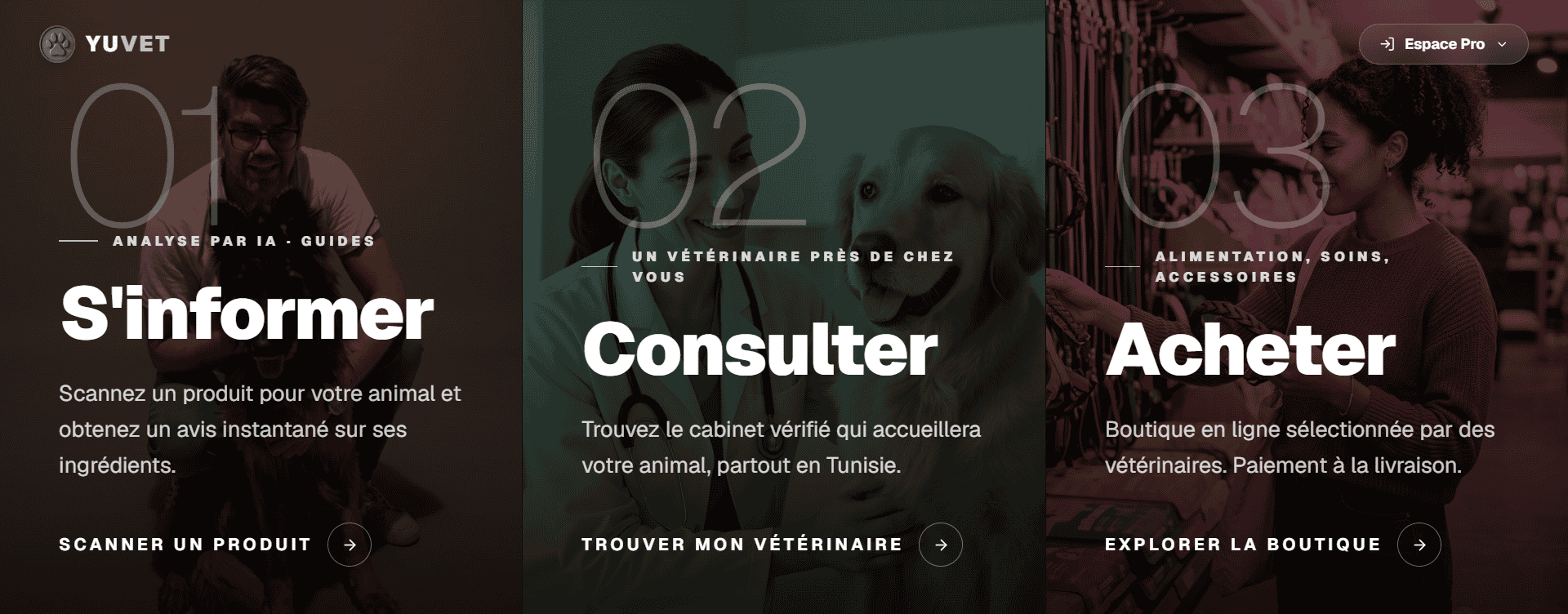
YUKET is the first veterinary platform in Tunisia. Scan products with AI, find the best clinics, and shop on our dedicated store.


nouhaazouzi
This article details the comprehensive design and development process of the showcase website for the Nouha Azouzi premium beauty clinic. From the modern technical architecture using Next.js and Tailwind CSS to the advanced local SEO strategy utilizing Schema.org, discover how a tailored web development approach successfully elevates the online visibility of a local business.