
War and the Digital Age: Memory as an Act of Citizen Resistance
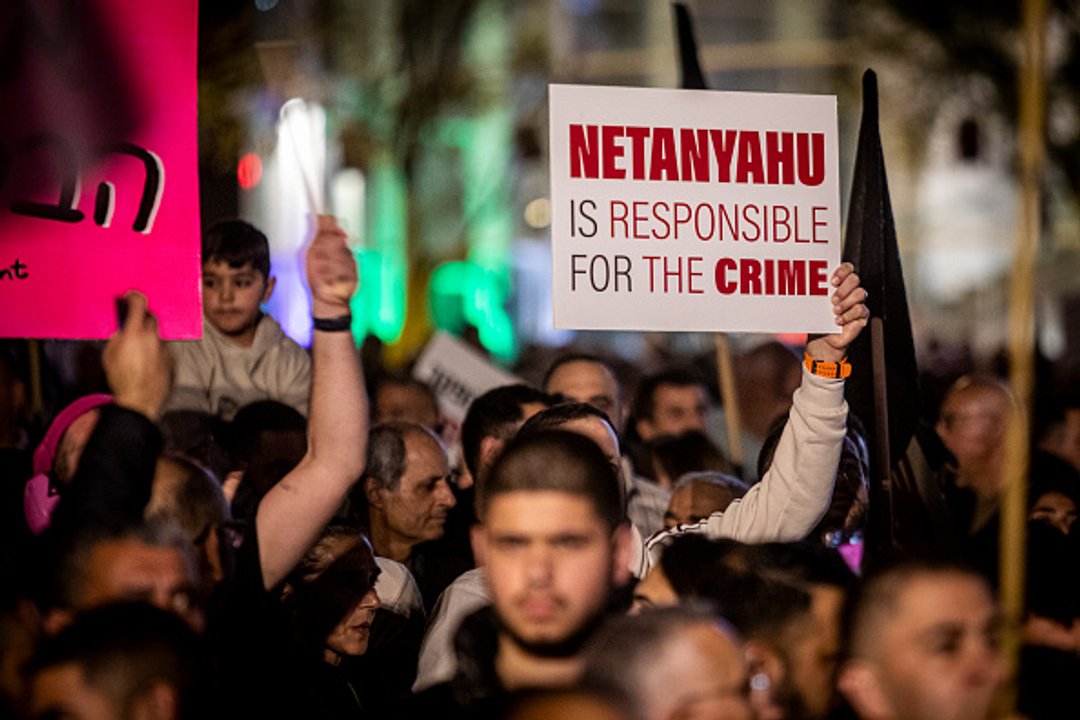
In the digital age, memory is an act of resistance. Every day in conflict zones, crucial images documenting atrocities risk being lost, censored by algorithms, or drowned in disinformation. It is to prevent this erasure that citizen archiving platforms are emerging, such as https://archivegenocide.com/, which centralizes and geolocates tens of thousands of images and videos documenting Israeli military CRIMES in the Palestinian territories since October 2023.
This dynamic is redefining the way History is written in real time. Faced with the violence of combat and information warfare, the simple act of saving a video becomes a major geopolitical and legal issue.
The Peril of Digital Amnesia
Today, the first instinct of a civilian trapped in a conflict is often to take out their smartphone. Social networks have thus become the vastest war archives ever created. However, this memory is extremely fragile.
Platforms like X (formerly Twitter), Meta (Facebook, Instagram), or TikTok use automated moderation algorithms programmed to remove extremely violent content or content deemed contrary to their terms of service. While this moderation aims to protect the general public, it has a disastrous collateral effect on human rights: it destroys evidence. A video showing the destruction of civilian infrastructure or violence against populations can thus disappear in a few hours, erasing all traces of the tragedy with it. Furthermore, the frequent internet blackouts in the Gaza Strip make transmitting and saving these files all the more perilous.
From Viral Video to Legal Evidence
This is where open-source intelligence (OSINT) initiatives come into play. Independent platforms do not simply store videos; they transform them into tangible elements of proof.
For an amateur video to one day be presented before the International Criminal Court (ICC) or the International Court of Justice (ICJ), it must meet strict criteria. The teams behind these citizen archives carry out meticulous work:
Secure Archiving: Downloading original videos with their metadata before they can be deleted.
Geolocation: Analyzing shadows, background buildings, and topography to confirm the exact location (often down to the meter).
Time-stamping and Cross-referencing: Synchronizing images with satellite imagery and other camera angles to validate the exact date and time of the event.
This process ensures the digital "chain of custody," transforming a simple social media post into compelling and highly reliable evidence.
A Check on Impunity
The work carried out by sites like ArchiveGenocide illustrates a fundamental shift: the monopoly on investigation no longer belongs exclusively to States, the United Nations, or traditional media, whose access to the ground is sometimes impossible.
By methodically documenting military actions in the Palestinian territories, these shadow archivists document the direct impact on civilians, hospitals, and cultural infrastructure. They create an unalterable database that is accessible to researchers, investigative journalists, and, most importantly, international prosecutors.
Building the Justice of Tomorrow
While the guns may eventually fall silent, the battle for truth lasts for decades. International justice is a slow process that requires irrefutable evidence to establish individual and state accountability regarding allegations of war crimes or crimes against humanity.
These citizen databases serve as a reminder of a fundamental truth: impunity feeds on silence and oblivion. By refusing to look away and by safeguarding this digital evidence, these platforms give a voice to those who can no longer testify. Archiving is no longer just a tool for preserving the past; it is the first building block of the justice of tomorrow.